Why Organic Matters
Working with Nature for a Sustainable Future
Organic farming is more than a method of cultivation. It is a way of working with nature by supporting healthy soil, biodiversity, responsible resource use and sustainable farming practices for future generations.
Choosing organic is not simply about what reaches your plate; it is also about supporting farming systems designed to preserve the health of the land for generations to come.
What is Organic Farming?
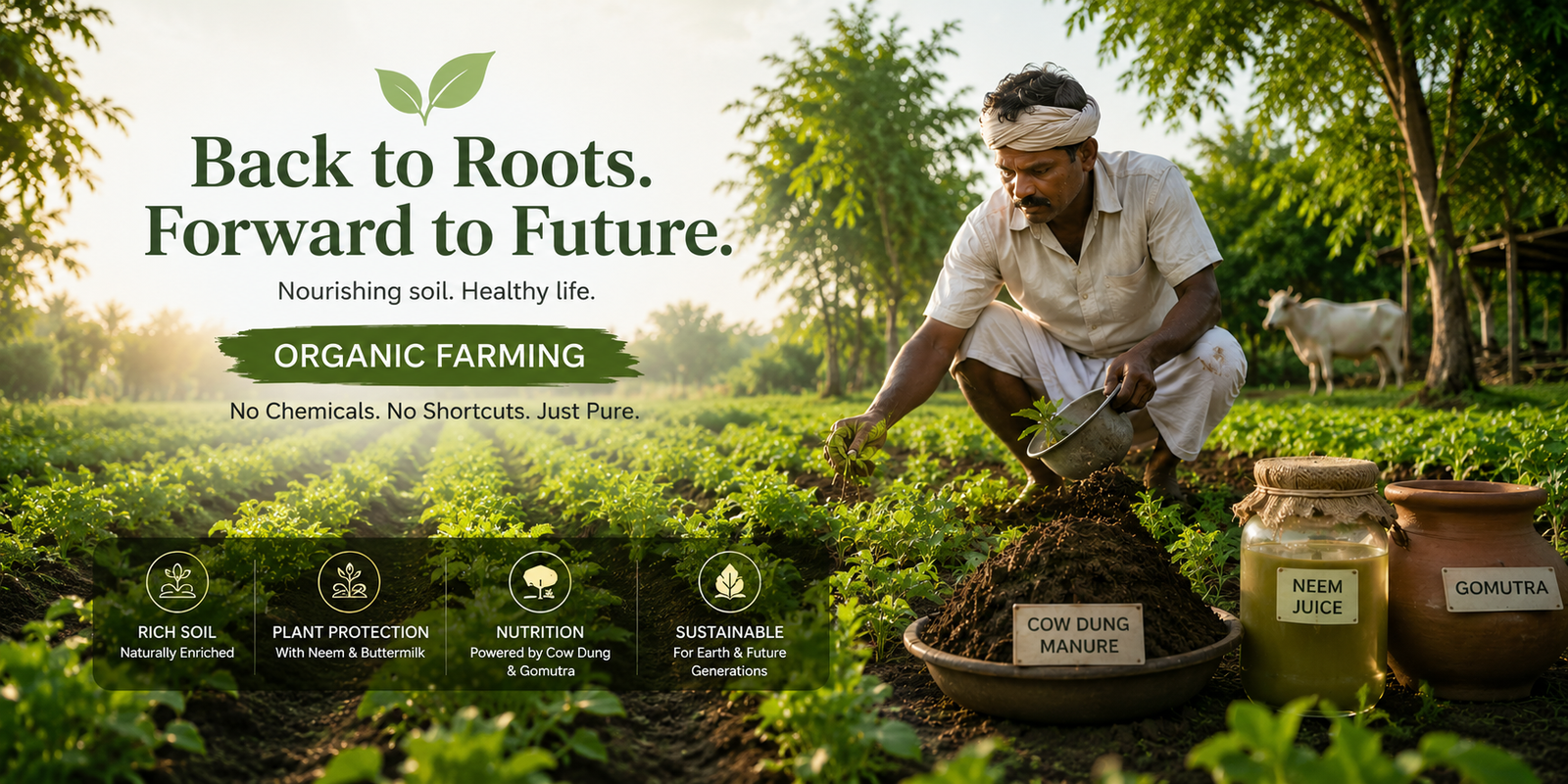
Organic farming is an agricultural system that works with natural ecosystems rather than against them. It encourages farming practices that maintain soil fertility, conserve water, promote biodiversity and support ecological balance.
Instead of relying on routine synthetic agricultural inputs, organic farming focuses on natural processes, crop diversity, biological pest management and responsible land stewardship.
The objective is to create a sustainable farming system that benefits both people and the environment.
Core Practices
- Crop Rotation
- Natural Soil Management
- Biological Pest Management
- Ecological Balance
- Responsible Farming
The Principles of Organic Farming
Healthy Soil
Healthy soil supports natural fertility, improves soil structure and provides the foundation for healthy crop growth.
Biodiversity
Supports pollinators, beneficial insects, birds and soil organisms. Promotes biodiversity and resilient ecosystems.
Responsible Resource Management
Encourages responsible use of natural resources including water and soil for long-term productivity and reduced impact.
Environmental Sustainability
By working with natural ecological processes, organic farming contributes to healthier ecosystems and a sustainable future.
Natural Nutrient Cycles
Values natural nutrient recycling through composting, crop rotation and biological soil management to maintain long-term soil health.
Responsible Farming Practices
Encourages farming methods that balance productivity with environmental responsibility and a sustainable relationship with nature.
Why Healthy Soil Matters
Healthy soil is one of the world's most valuable natural resources. It stores water, recycles nutrients, supports billions of beneficial microorganisms and provides the foundation for productive agriculture.
Organic farming places strong emphasis on protecting and improving soil health because healthy soil contributes to resilient farming systems and long-term agricultural sustainability.
Supporting Biodiversity
Nature thrives on diversity. Birds, bees, butterflies, earthworms, beneficial insects and microorganisms each play an important role in maintaining healthy ecosystems.
Organic farming encourages agricultural landscapes that support biodiversity, helping strengthen natural ecological relationships essential for sustainable farming.
Sustainable Agriculture for Future Generations
Understanding Organic Food
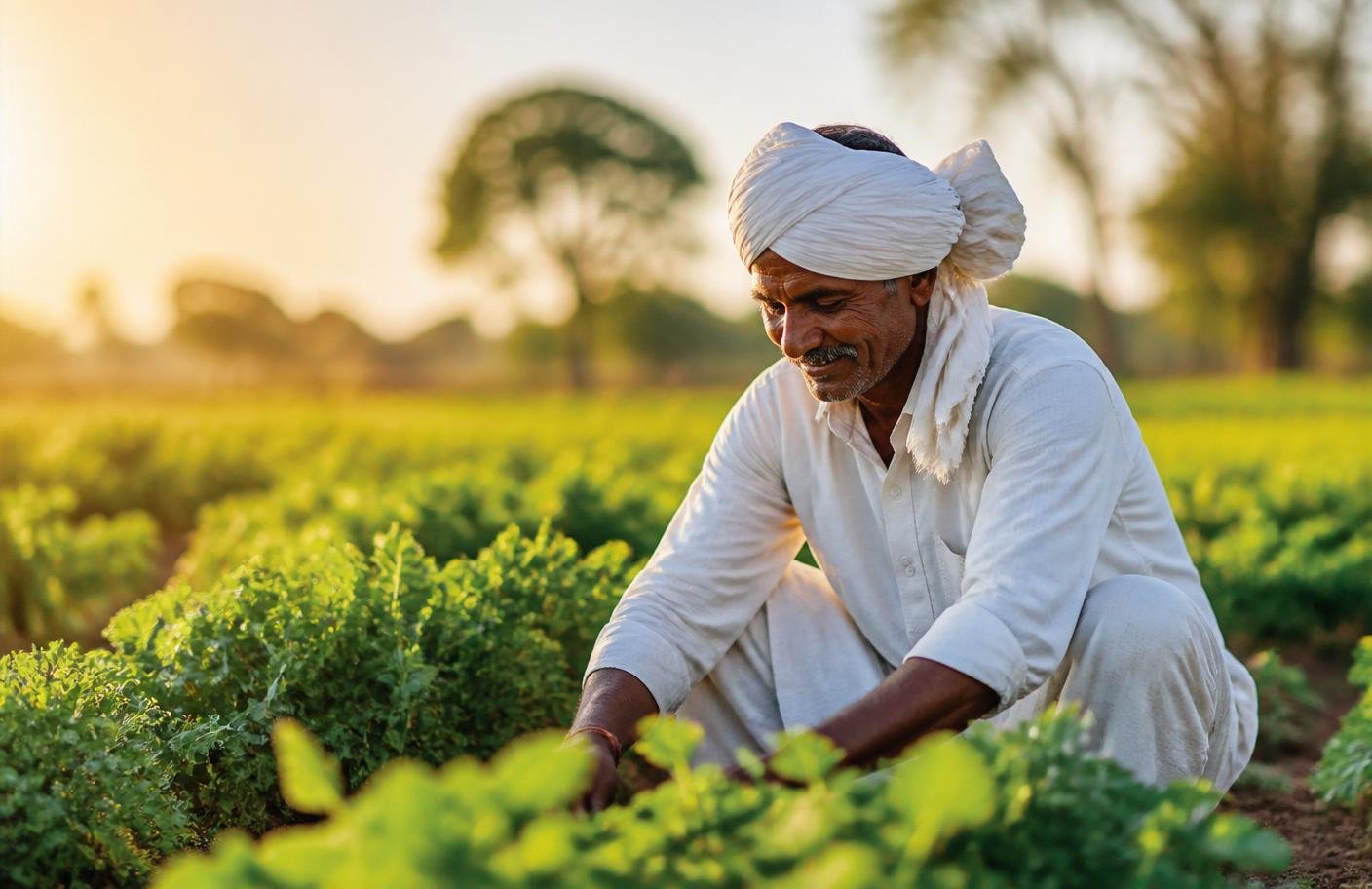
Organic food begins with farming practices designed to work in harmony with nature. While organic products may naturally vary in colour, size, shape or texture due to seasonal and environmental conditions, these natural variations are a normal characteristic of agricultural products.
Every harvest reflects the unique conditions in which it was grown, making each crop a product of nature rather than uniform industrial production.
A Shared Responsibility
Every food choice has an impact beyond the kitchen. Supporting sustainable agricultural practices contributes to healthier ecosystems, responsible resource management and a more balanced relationship between farming and nature.
Understanding how food is grown helps us appreciate what nature gives.